
Top-Rated Products For Demolition Industry Applications
Browse the most highly rated tools and equipment tailored for demolition services to boost productivity.
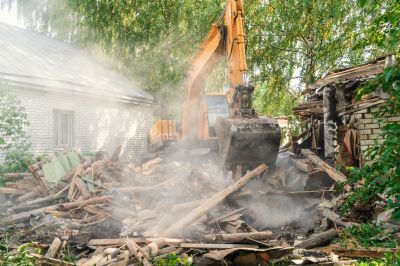 Demolition projects in Manchester, NH, require a variety of specialized tools and equipment to ensure safety and efficiency. Whether tearing down a small structure or a large commercial building, selecting the right products is essential for a successful operation. Heavy machinery such as excavators and bulldozers are often central to these efforts, providing the power needed to break through concrete, steel, and other tough materials. Hand tools like sledgehammers, pry bars, and demolition hammers complement machinery by allowing for more precise work and access to tight spaces. Additionally, safety equipment including protective gear, dust suppression systems, and debris containment solutions are vital for maintaining a secure work environment. Proper planning and choosing the appropriate tools can significantly impact the speed and safety of demolition projects in Manchester, NH.
Top Overall Option
Heavy Duty Demolition Machine
A versatile heavy-duty demolition machine offers the power and stability needed for various demolition tasks. Equipped with multiple attachments and advanced safety features, it can handle different materials and project scales. Its robust construction ensures durability during rigorous use, making it a reliable choice for contractors and demolition professionals in Manchester, NH.
Types of Products For Demolition Service
Excavators
Tracked or wheeled excavators equipped with demolition attachments are commonly used for large-scale tearing down structures.
Backhoe Loaders
Versatile machines suitable for smaller demolition tasks and site preparation.
Hydraulic Breakers
Attachment for excavators that delivers powerful impacts to break concrete and rock.
Sledgehammers
Hand tools ideal for breaking smaller concrete sections and for detail work.
Pry Bars
Tools used for leverage and prying apart materials during demolition.
Demolition Hammers
Power tools designed for breaking through concrete, brick, and other tough materials.
Skid Steer Loaders
Compact machines with various attachments suitable for confined spaces.
Dust Suppression Systems
Equipment that reduces airborne dust during demolition activities.
Debris Containment Barriers
Structures used to contain debris and protect surrounding areas.
Wrecking Balls
Heavy balls used for large-scale structural demolition, typically with cranes.
Cutting Torches
Gas-powered tools used for precise cutting of metal and other materials.
Concrete Crushers
Machinery designed to crush concrete into manageable pieces for removal or recycling.
Portable Generators
Power sources essential for operating tools and equipment on-site.
Safety Gear Sets
Complete protective equipment including helmets, gloves, goggles, and masks.
Scaffolding and Ladders
Access equipment necessary for reaching high or difficult areas safely.
Vibratory Plate Compactors
Equipment used for preparing ground surfaces after debris removal.
Hydraulic Shears
Attachments for cutting steel and reinforced concrete.
Popular Choices
Compact excavators suitable for small to medium demolition jobs with tight space constraints.
Widely used for breaking concrete and rock with precision and power.
Battery-powered tools offering mobility and convenience for smaller tasks.
Devices that help reduce dust during demolition, improving site safety.
Mobility-focused crushers that process debris on-site.
Essential protective gear for head and face safety during demolition.
Popular for breaking through concrete and asphalt in various projects.
Tools designed for efficiently cutting steel beams and reinforcement.
Containers for quick and organized debris collection and disposal.
Advanced robotic systems that allow for remote operation in hazardous areas.
Equipment used for compacting soil or debris after demolition.
Lighting solutions to ensure visibility during late or underground demolition work.
Basic personal protective equipment for site safety.
Portable power sources for hydraulic tools and attachments.
Supports used during partial demolitions to stabilize remaining structures.
Soundproofing solutions to minimize noise pollution during work.
Devices for dewatering and managing water on-site.
Clothing that enhances worker visibility for safety.
When considering demolition tools, durability and reliability are key factors. Equipment must withstand harsh conditions and repeated use without failure. Ease of use and ergonomic design also play roles in reducing operator fatigue and increasing productivity. For large-scale projects, rental options might be more practical, providing access to high-end machinery without the need for significant capital investment. Smaller tools and accessories are equally important for detail work and finishing touches, ensuring that every aspect of the demolition process is handled efficiently. Investing in quality products tailored to the specific demands of a project can make the difference between a smooth operation and costly delays.
Safety considerations are paramount in demolition work. Proper protective gear, including helmets, gloves, goggles, and dust masks, helps protect workers from potential hazards. Additionally, dust suppression systems and debris containment solutions help minimize health risks and environmental impact. Planning for proper disposal of debris and understanding local regulations in Manchester, NH, are also critical steps. Overall, choosing the right combination of equipment and safety measures ensures that demolition projects are completed safely, efficiently, and with minimal disruption to the surrounding area.
Key Buying Considerations
- Project scale and scope to determine appropriate machinery size and power.
- Material types involved, such as concrete, steel, or wood, to select suitable tools.
- Site accessibility and space constraints influencing equipment choices.
- Safety features and certifications to ensure compliance with regulations.
- Durability and build quality for repeated or long-term use.
- Ease of operation and ergonomic design to reduce operator fatigue.
- Power source requirements, including electric, hydraulic, or pneumatic options.
- Mobility and transportation logistics for bringing equipment to the site.
- Availability of attachments and accessories to expand functionality.
- Budget constraints and cost-effectiveness over the project duration.
- Environmental considerations, such as dust control and debris containment.
- Compatibility with existing equipment or tools already on-site.
- Rental versus purchase options based on project length and frequency.
- Local supplier support and availability of spare parts.
- Compliance with local safety and demolition regulations in Manchester, NH.
This content contains affiliate links to products available on Amazon. We may earn a commission from qualifying purchases, which helps support our efforts to provide detailed and helpful information.